

Why Integrated Bat Boxes Matter
The population of native bat species across the UK has declined significantly over recent decades. This is largely due to the loss of roosting opportunities within buildings and the reduction of suitable feeding habitats across farmland, woodland and urban environments.
As buildings become more energy-efficient and better sealed, traditional entry points and roosting features for bats are disappearing. As a result, modern construction has an important role to play in supporting bat populations and enhancing biodiversity.
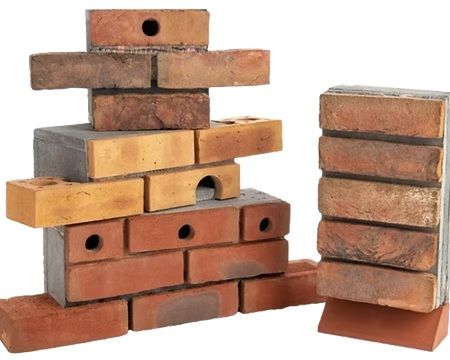
Integrating bat boxes into construction
One of the most effective ways to support bats within the built environment is through the inclusion of integrated bat boxes.
Unlike externally mounted boxes, integrated units are built directly into the structure of a building, providing a permanent, low-maintenance roosting solution that aligns with modern construction methods.
The Habibat range of integrated bat boxes are manufactured from insulating concrete and designed to be installed as part of the build or refurbishment process. This ensures:
- Seamless integration into brickwork or façade
- Long-term durability
- Minimal ongoing maintenance
- Consistent performance over the lifetime of the building
Supporting biodiversity and ecological value
Incorporating bat boxes into developments helps provide safe and stable roosting environments for a range of UK crevice-dwelling bat species.
This contributes to:
- Enhanced biodiversity within developments
- Improved ecological value of the site
- Support for local bat populations
- Integrated features also form part of a wider approach to biodiversity enhancement, helping developments respond to increasing environmental expectations.
Planning, policy and BNG considerations
Planning policy and ecological guidance are placing greater emphasis on incorporating biodiversity features within developments.
While bat boxes are not typically included within the statutory biodiversity metric, they are recognised under BS 8683:2021 as additional biodiversity enhancement measures that support overall ecological outcomes.
The revised National Planning Policy Framework (NPPF) also reinforces the need to include meaningful biodiversity improvements within and around developments.
By incorporating bat boxes early in the design stage, developers can:
- Demonstrate a proactive approach to biodiversity
- Support ecological recommendations
- Reduce the risk of delays during planning or discharge of conditions
Designed for modern construction
Habibat integrated bat boxes are specifically designed to work with real-world construction:
- Sized to standard UK brick dimensions
- Simple for bricklayers to install
- No need for retrofitting later in the build
- Compatible with a wide range of building types
- Each unit provides an internal roost space using a single-chamber design with an integrated “V” system, increasing surface area for bats to grip and roost while allowing natural movement within the box.
Reducing risk and keeping projects on programme
Delays to planning or ecological compliance can have significant programme and cost implications.
By specifying integrated bat boxes early, developers and contractors can:
- Avoid last-minute design changes
- Reduce the risk of planning delays
- Ensure biodiversity measures are delivered efficiently on site
A practical, future-proof solution
Including bat boxes within new build and refurbishment projects is a simple, effective way to support biodiversity while aligning with modern planning expectations.
When designed and installed correctly, integrated bat boxes provide:
- Long-term habitat provision
- Minimal maintenance requirements
- A discreet, aesthetically consistent finish