
OUR TEAM

Vicky Thompson
Sales Specialist

Sophie Forster
Finance Manager

Charlotte Bell
Sales Specialist

Paul Hodgkinson
Managing Director
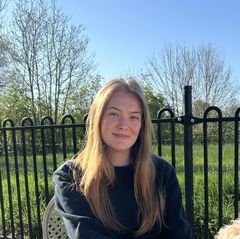
Sophie Dunne
Assistant Ecologist

Jed Henshaw
Consultant Ecologist
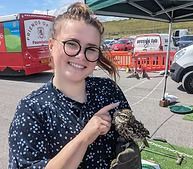
Harriet Davis
Assistant Ecologist

Kay Richardson
Design Specialist
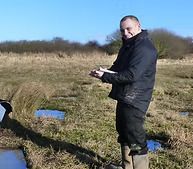
Scott Taylor
Senior Ecologist

Harry Cuthbert
Consultant Ecologist
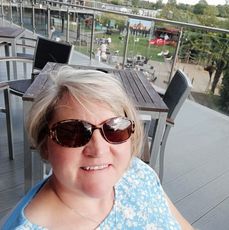
Karen Bell
Office Manager
OUR STORY
Habibat is owned by parent company Ecosurv Ltd, one of the UK's leading independent ecological consultancies.
Habibat was founded when an Architect approached Ecosurvs Managing Director requiring some Bat Boxes for a development in the North East of England and unable to source a product which work for British Brick dimensions.
After discovering there was nothing suitable available on the market, Ecosurv decided to create one.
A small production unit was established in the North East of England and the very first Habibat integrated bat boxes were produced.
From the outset, it was important that the products worked not only for the building, but also for the wildlife they were designed to support. Ecosurv met with the Bat Conservation Trust to discuss the design and ecological requirements of the boxes.
This collaboration led to prototype boxes being independently tested in the Netherlands for a year. Following a successful trial, the Habibat brand was officially established. Recognising that architects and developers needed integrated solutions for a wider range of species, Habibat adopted the same collaborative approach to develop its bird box range, working with organisations including the RSPB and Swift Conservation to ensure the designs met the needs of both wildlife and the built environment.
As the product range expanded, Kay Richardson joined the team, bringing together expertise in both architecture and ecology. Kay oversees the design and development of new and existing products, ensuring they integrate seamlessly into modern buildings while remaining suitable for the species they are intended to support.
Supporting this work is Senior Ecologist Dr Scott Taylor, whose expertise helps ensure every Habibat product continues to meet the ecological requirements of the species it has been designed for.
As demand for Habibat products continued to grow, it became clear that manufacturing capacity needed to grow with it. Habibat partnered with Wienerberger, who recognised the value of the products and began promoting them through their own product range under the Ecohabitats brand.
In 2021, the Habibat manufacturing facility relocated to Wienerberger's factory in Worcester. The move significantly increased production capacity while maintaining the quality and craftsmanship that had become synonymous with the Habibat name.
In 2025, Paul Hodgkinson, who had worked alongside Habibat for many years through Wienerberger, joined the company.Paul brought with him more than 40 years' experience in the construction industry, together with a lifelong passion for wildlife and conservation. His appointment marked the next chapter in Habibat's journey, combining practical construction expertise with ecological knowledge to continue developing innovative products that benefit both wildlife and the built environment.
Today, Habibat products are trusted on projects throughout the UK. While manufacturing takes place in Worcester, our head office remains in the North East of England, where our experienced team continues to help architects, developers, contractors and ecologists integrate biodiversity into buildings without compromising practical design.
Today Habibat has grown into one of the UK's most respected ranges of integrated wildlife products—built on collaboration, ecological expertise and a genuine passion for helping wildlife thrive alongside modern development.