
External Insect Products:
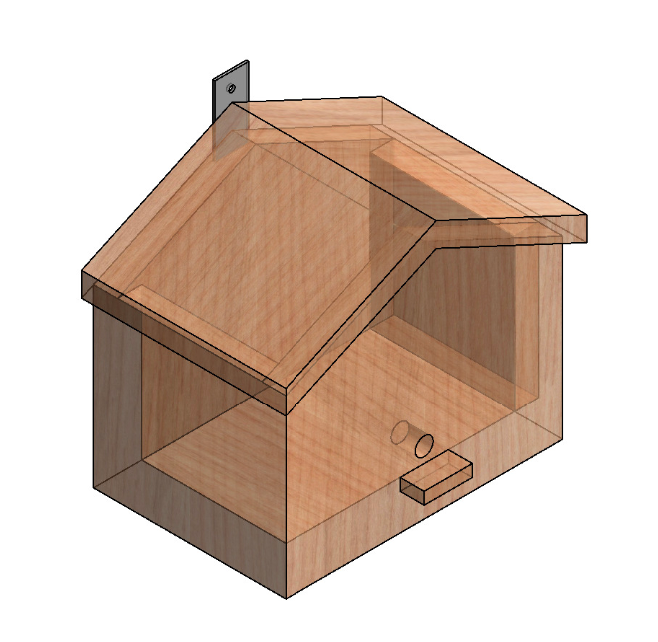
Habibat External Timber Bumble Bee Box
Professional-grade external timber bumble bee box designed for sheltered low-level habitat.

Habibat External Medium Timber Bug & Solitary Bee Box
Professional-grade external timber insect box supporting pollinators and beneficial invertebrates.
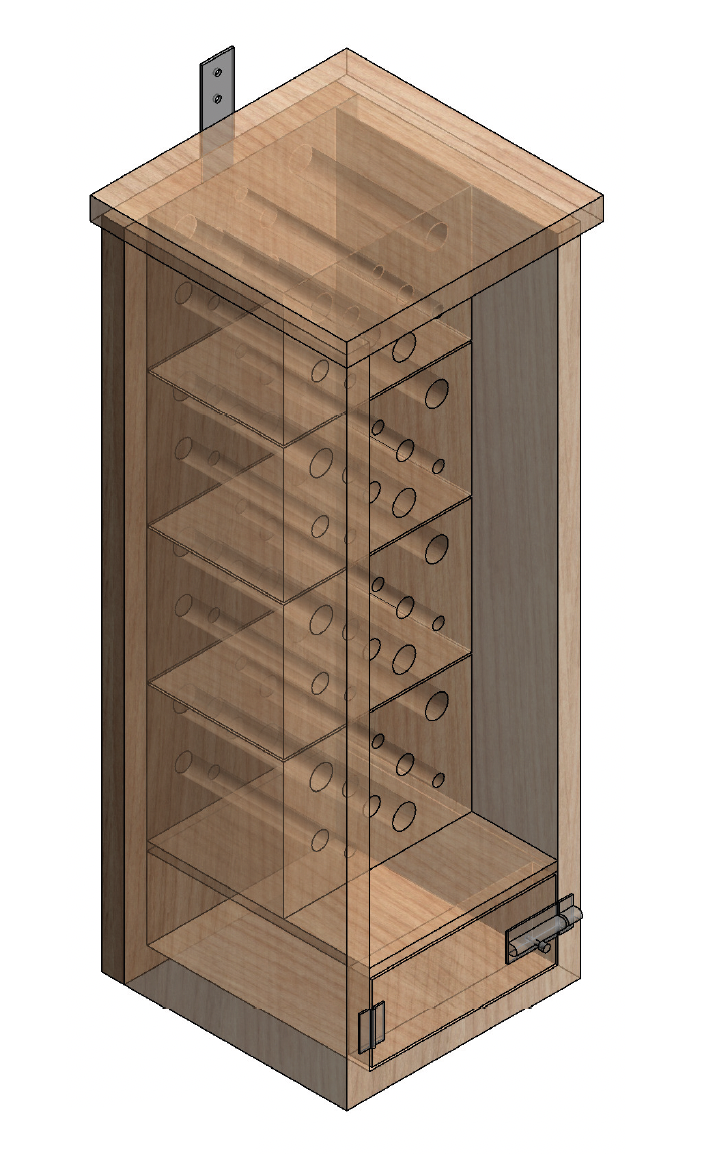
Habibat External Large Timber Bug & Solitary Bee Box
Large-format external timber insect box providing enhanced habitat for pollinators and beneficial insects.
Do Bee Bricks, Bee Boxes and Bug Boxes Work?
Do bee bricks, bee boxes and bug bricks actually work?
They can provide useful nesting and shelter opportunities for insects, particularly cavity-nesting solitary bees such as mason and leafcutter bees. Research shows that artificial nesting features can be occupied and support successful breeding, although results vary between designs, species and locations.
Their effectiveness depends on good design, careful positioning and suitable surrounding habitat. Combining these features with nearby flower-rich planting gives insects access to both shelter and food, helping them make the most of the opportunities provided.
Where should bee bricks, bee boxes and bug bricks be installed?
Install them in sheltered, relatively undisturbed locations close to wildlife-friendly planting, with clear access to the entrances and protection from strong winds and driving rain.
Bee bricks and solitary bee boxes generally favour sunny positions, ideally facing south or south-east. Bee bricks are typically incorporated into external walls around 1–3m above ground; external bee boxes should be securely fixed at least 1m above ground. Avoid deeply shaded locations or positions prone to overheating.
Bug bricks should be positioned to suit the insects they are designed to support. Lower, sheltered locations near planting can be suitable, with some species favouring cooler or partially shaded conditions.
Always follow the manufacturer’s installation guidance. Nearby flowers, suitable shelter and careful positioning all help improve the chances of these features being used.
Can bee bricks and boxes be installed near doors, windows or patios?
They can be placed near doors and windows, but it is preferable to choose a sheltered position slightly away from busy entrances and seating areas to give bees clear access and minimise disturbance. Solitary bees are generally non-aggressive and rarely sting, making them suitable neighbours in residential settings.
How can we help bee bricks, bee boxes and bug boxes work successfully?
These features work best as part of a wider wildlife-friendly landscape, combining nesting and shelter opportunities with flower-rich planting and suitable habitat.
Provide nearby pollen- and nectar-rich flowers with a succession of blooms from spring through autumn. Suitable choices include lavender, thyme, marjoram, bird’s-foot trefoil and flowering shrubs, alongside climbers such as ivy. Native plants can also support insects with more specialised needs.
Wildflower areas, hedgerows, retained stems and deadwood add further feeding and shelter opportunities. Position boxes and bricks to suit their intended occupants: solitary bee nesting features generally favour warm, dry, sheltered locations, while some other invertebrates prefer cooler, shaded conditions.
Combining thoughtful planting, habitat creation and well-positioned nesting features gives insects the resources they need to thrive.
Why include bee bricks, bee boxes and bug boxes in developments?
These features provide nesting and shelter opportunities in built environments, particularly where natural habitats and cavities are limited. They can be incorporated into buildings and landscaped spaces to support a development’s biodiversity objectives and, where specified, help fulfil planning requirements.
Supporting insects benefits the wider ecosystem. Insects pollinate plants and crops, provide food for birds, bats and other wildlife, break down organic matter and contribute to healthy soils.
Combined with suitable planting and habitat creation, bee and bug features offer a practical way to make developments more welcoming to wildlife.