

Insect Habitat Solutions
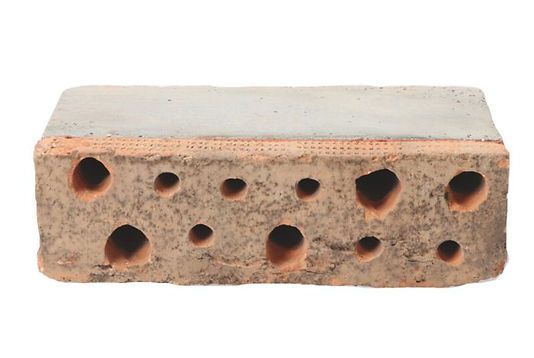
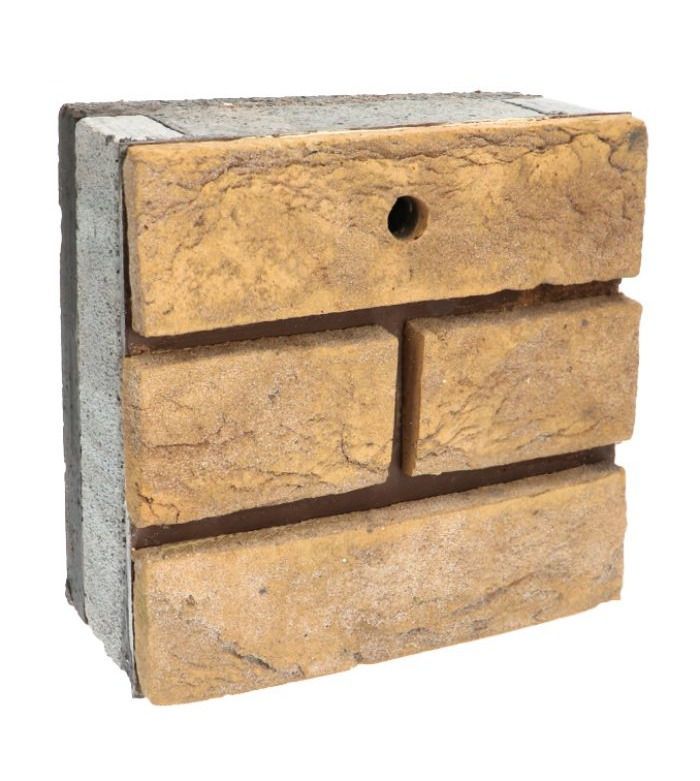
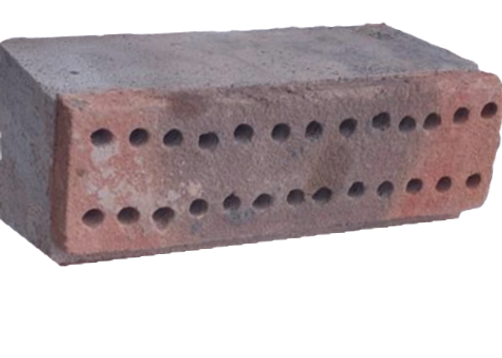
Habibat Bug Boxes are manufactured from the same insulated concrete as the rest of the integrated range and sized to standard UK brick dimensions, allowing them to be seamlessly built into modern construction.
Designed with a variety of access holes and internal spaces, they provide valuable habitat for a wide range of insects, which play a vital role in pollination, decomposition and supporting wider ecosystems as a food source for birds and bats. The internal nooks and crannies are particularly attractive to species such as lacewings and ladybirds.
For longevity and to reduce parasites, light cleaning is recommended in late spring after emergence, using a simple tool such as a pipe cleaner or small brush to remove old nesting material.


Integrated Insect Products:
Understanding Bee Bricks, Bee Boxes and Bug Boxes:
Do bee bricks, bee boxes and bug bricks actually work?
Yes , there is good evidence that these features are used by insects, particularly solitary bees.
A global evidence review published via the Conservation Evidence database found that artificial nest sites are regularly occupied, with average occupancy rates of around 30–40% across studies.
Research published in journals such as Biodiversity and Conservation has also shown that artificial nesting features can support successful breeding by cavity-nesting bees.
However, success depends heavily on placement, design and surrounding habitat.
Are these features enough on their own?
No.
Evidence consistently shows that artificial nesting features are most effective when combined with flower-rich habitat and appropriate planting. Without nearby forage, insects are unlikely to use them regardless of design.
What is the best way to support pollinators and insects?
A combined approach works best:
- Pollinator-friendly planting
- Habitat creation (e.g. wildflower areas, hedgerows)
- Integrated features such as bee bricks and bug boxes
This aligns with findings from multiple urban ecology studies, which highlight that habitat availability is the key driver of insect populations, with nesting features playing a supporting role.
Where should these features be installed?
In sheltered, low-disturbance locations close to planting.
Studies assessing bee hotels and artificial nests show that proximity to forage and suitable microclimate significantly increases occupancy rates.
What conditions make them more successful?
Research indicates higher success where the following are present:
- Abundant nearby flowers and forage
- Native planting schemes
- Dry, sheltered locations
- Warmth (sun or partial sun)
Poor siting is one of the main reasons features fail to be used.
Do they need to be near plants or flowers?
Yes, this is essential.
Guidance from organisations such as the Natural History Museum emphasises that bee hotels and similar features are only effective where foraging resources are available throughout the season.
Suitable planting includes wildflowers, lavender, thyme, marjoram, red clover, bird’s-foot trefoil, foxglove, comfrey, shrubs such as hawthorn and dog rose, and climbers like honeysuckle and ivy.
Where should bee bricks be installed?
Within external walls at around 1–3m high, on sunny or partially sunny elevations (ideally south or south-east facing), in relatively undisturbed locations close to planting.
These conditions reflect those shown in studies to improve nesting uptake for solitary bees.
Where should bee boxes be located?
In sheltered, quiet areas away from high-traffic zones and close to forage.
It is worth noting that evidence from the Conservation Evidence database shows that bumblebee nest boxes can have low and variable uptake, so expectations should be realistic.
Where should bug bricks be installed?
Within walls at ground level up to around 2–3m, in sheltered and undisturbed positions close to planting. Lower placements often work particularly well for a range of invertebrates.
Should they be in sun or shade?
Partial sun or dappled shade is ideal.
Artificial nest studies show that temperature and exposure influence occupancy, with overly shaded or exposed locations performing poorly.
Do they need protection from wind and rain?
Yes.
Dry, sheltered conditions are consistently identified in research as important for nesting success.
Can they be installed near doors, windows or patios?
Yes, but avoid placing them directly beside entrances or in very high-traffic areas. Lower disturbance generally improves effectiveness.
Are solitary bees safe around people?
Yes.
Solitary bees are non-aggressive, rarely sting, and do not defend nests, making them suitable for residential environments.
Do bees prefer natural habitats?
Yes.
Studies (including research published in PLOS ONE) show that many species preferentially use natural nesting features where available, and artificial features may also attract non-target species.
This reinforces the importance of using bee bricks and boxes as supplementary habitat, not replacements for natural environments.
Why are these features included in developments?
They:
- Provide nesting opportunities in built environments
- Support biodiversity strategies
- Help meet planning and policy requirements
- Are simple to integrate into construction
They are particularly relevant where development has reduced natural nesting features.
Why are insects important?
Insects:
- Pollinate plants and crops
- Provide food for birds, bats and other wildlife
- Help break down organic matter
- Contribute to soil health
Do insects support other wildlife and control pests?
Yes.
Insects are a key part of the food chain, and species such as ladybirds and lacewings can help regulate pest populations naturally.
What is the key factor for success?
The surrounding habitat.
Across all studies and guidance, the most consistent finding is that planting, forage availability and habitat quality are more important than the nesting feature itself.
What’s the overall takeaway?
Bee bricks, bee boxes and bug bricks are evidence-supported, supplementary features that can provide nesting opportunities for insects.
When combined with appropriate planting and habitat design, they contribute to more resilient and wildlife-friendly developments, but they should not be relied upon in isolation