
Siting your bat box
Designing for biodiversity goes beyond specifying products—it’s about placing them correctly so they actually work. When it comes to bat boxes, thoughtful siting is critical to achieving meaningful ecological outcomes, meeting planning expectations, and ensuring long-term success on site.
This guide brings together practical, experience-led recommendations aligned with BS 42021:2022, Biodiversity Net Gain (BNG) principles, and guidance from the Bat Conservation Trust. It’s intended to support architects, developers and contractors in making informed decisions at design stage, ensuring bat roost features are both compliant and effective.
Drawing on Habibat’s expertise in UK-manufactured, high-durability integrated habitat solutions, this resource reflects real-world application, helping you deliver biodiversity enhancements that are not only specified correctly, but positioned to succeed.
Where Should Bat Boxes Be Located on Buildings?
A practical guide aligned with BS 42021:2022 and ecological best practice.
Correct placement of bat boxes is essential to ensure they are effective, compliant, and used by bats. Poor positioning can significantly reduce success, while well-considered placement supports long-term biodiversity outcomes and helps meet planning expectations.
Guidance such as BS 42021:2022 – Surveying, assessing and mitigating impacts on bats in buildings highlights the importance of appropriate siting, design and installation of bat roost features within construction projects.
This guide brings together practical, site-based recommendations aligned with current best practice.
1. Elevation and aspect
Bats are highly sensitive to temperature, making the thermal characteristics of a roost critical to its success.
In line with BS 42021:2022, roost features should be positioned to provide suitable environmental conditions.
Best practice:
- South and south-east facing elevations are typically preferred
- Morning sunlight helps warm the roost
- Avoid consistently shaded or north-facing elevations where possible
Providing a range of aspects across a development can help create varied microclimates and improve overall success.
2. Avoid artificial lighting
Artificial lighting can disrupt bat behaviour and deter roost use.
Guidance aligned with both BS 42021:2022 and the Bat Conservation Trust emphasises the importance of maintaining dark conditions around roost features.
Best practice:
- Avoid placing bat boxes near direct light sources
- Minimise light spill onto entrances
- Consider lighting design early in the project
Maintaining dark, undisturbed elevations is key to effective habitat provision.
3. Proximity to suitable habitat
Understanding how bats use the surrounding environment is fundamental.
Bat boxes should be located:
- Close to foraging habitats such as woodland, hedgerows and water
- Along established flight routes
- Within connected green infrastructure
This improves accessibility and increases the likelihood of occupation.
4. Installation height and access
Height plays an important role in providing safe and suitable roosting locations.
Typical guidance:
- Install at least 4–6 metres above ground level
- Avoid areas of frequent disturbance, such as windows or openings
- Ensure a clear, unobstructed flight path to the entrance
These principles help minimise disturbance and maximise suitability.
5. Integration within the building
BS 42021:2022 highlights the importance of integrating biodiversity features appropriately within the structure.
For integrated bat boxes:
- Position within quiet, low-disturbance elevations
- Avoid doors, windows and high-traffic areas
- Ensure stable internal conditions
Commonly suitable locations include:
- Gable ends
- Upper elevations
- Areas away from regular human activity
6. Provide a range of roosting conditions
Best practice encourages providing a variety of roosting opportunities across a development.
This may include:
- Different orientations (warmer and cooler aspects)
- Multiple installation heights
- Distribution across the site
This approach reflects natural roost variability and supports a wider range of species and behaviours.
7. Follow ecological recommendations
BS 42021:2022 places strong emphasis on site-specific assessment and professional ecological input.
Bat box placement should always be informed by:
- Ecological surveys
- Identified species and behaviour
- Project-specific mitigation or enhancement strategies
Planning and BNG considerations
Well-positioned bat boxes form part of a wider biodiversity enhancement strategy.
In accordance with BS 8683:2021, these features are recognised as enhancement measures outside the statutory biodiversity metric, contributing to the overall ecological value of a development.
The National Planning Policy Framework (NPPF) also requires developments to incorporate meaningful biodiversity improvements, making correct placement an important planning consideration.
Delivering effective outcomes on site
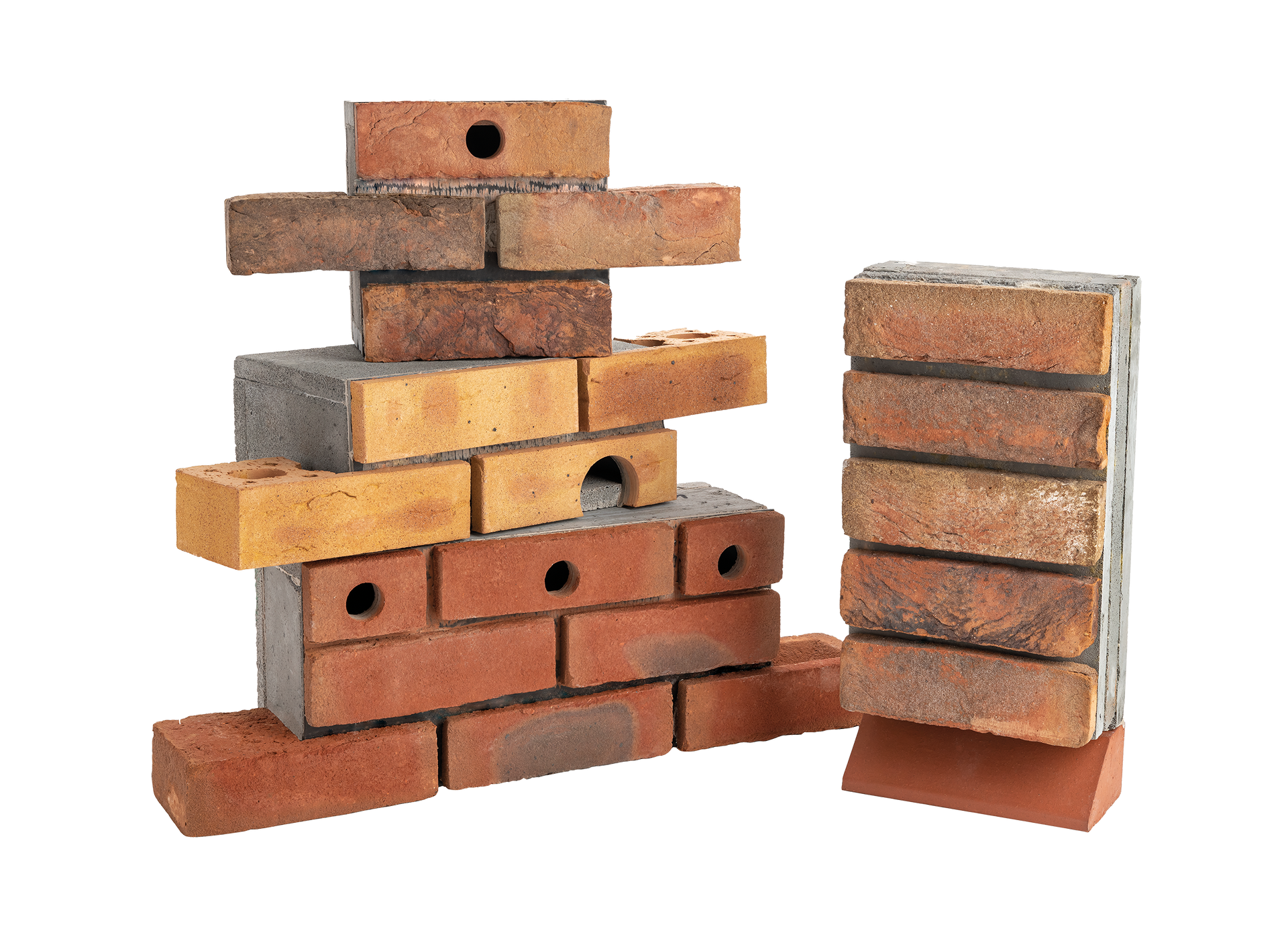
Integrated bat boxes, such as those within the Habibat range, are designed to:
- Fit standard masonry construction
- Be installed during the build process
- Provide long-term, maintenance-free habitat
- Early coordination between designers, ecologists and contractors ensures:
- Correct siting
- Efficient installation
- Successful ecological outcomes
Aligning with Bat Conservation Trust guidance
Guidance from the Bat Conservation Trust highlights the importance of locating bat boxes in positions that provide:
- Suitable thermal conditions
- Minimal disturbance
- Good access to foraging habitats
- Dark, unlit flight paths
Aligning with both BCT guidance and BS 42021:2022 ensures bat boxes are not only compliant, but genuinely effective.
A small detail that makes a big difference
When correctly located, bat boxes provide safe, long-term roosting opportunities and play an important role in supporting declining bat populations across the UK.
Thoughtful placement ensures these features deliver real ecological value, while supporting planning compliance and project success.
Need guidance on your project?
We work with architects, developers and contractors to provide practical advice on bat box selection and positioning. Send us your drawings for a quick, informed recommendation.